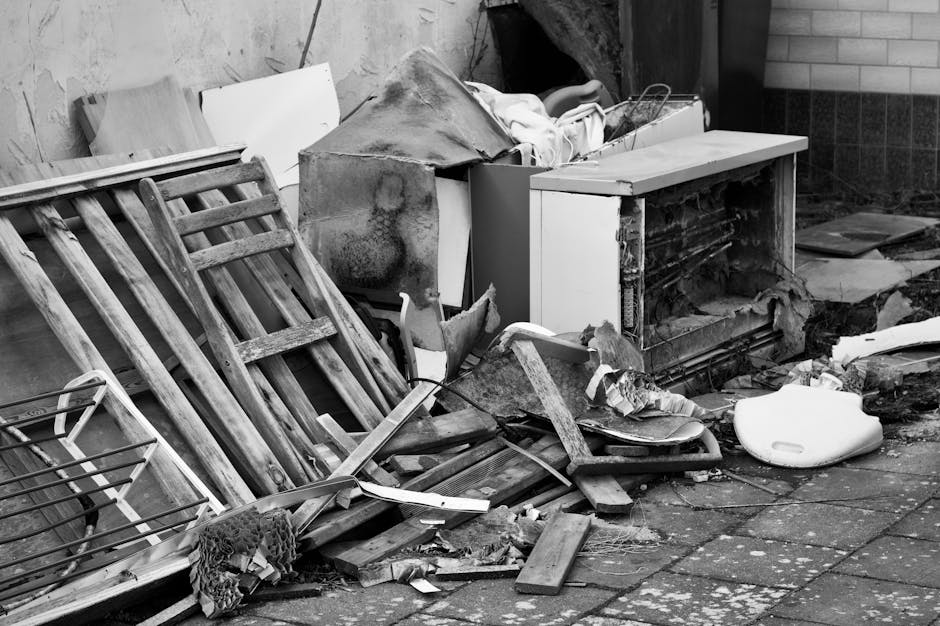
Rubbish removal for homes near Sanderstead station
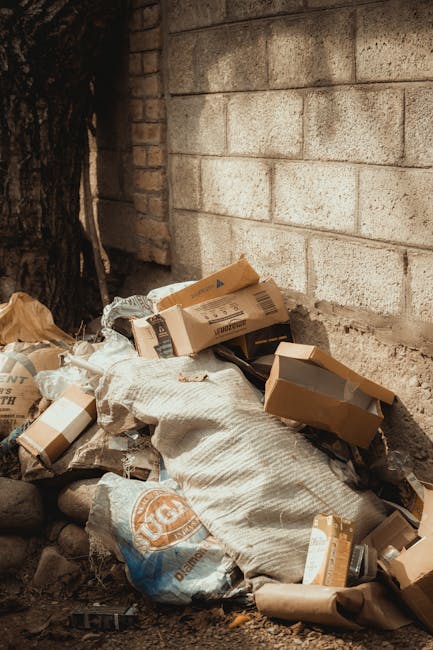
If you live near Sanderstead station, rubbish removal can feel like one of those jobs that keeps sliding to the bottom of the list. A couple of broken chairs in the hallway, a box of old bits in the spare room, maybe garden waste that has sat there through one too many weekends - and suddenly the home feels heavier than it should. Rubbish removal for homes near Sanderstead station is really about getting that space back in a safe, efficient way, without making a day of it.
In this guide, we'll look at how home rubbish removal works, what to expect, what can go wrong, and how to choose the right approach for a house, flat, or smaller property near the station. We'll also cover practical steps, common mistakes, and a few local considerations that matter more than people think. It's not glamorous, obviously, but it is one of those jobs that makes a home feel properly livable again.
Why Rubbish removal for homes near Sanderstead station Matters
Homes near stations tend to have a particular rhythm. People come and go quickly, pavements can be busy, parking may be tighter than you'd like, and the day-to-day practicalities of moving waste out of the house can be awkward. What seems like a simple clear-out inside the property can become annoying very fast once you try to get bags, broken furniture, or bulky items to the kerb.
That is why rubbish removal matters here in a slightly different way. It is not just about "getting rid of stuff." It is about reducing disruption, avoiding blocked entrances, and keeping the property tidy while the work is done. In a terraced street, a flat above a shop, or a house with a narrow front path, the difference between a quick, organised clearance and a messy one is huge.
There is also the time factor. Let's face it, most people do not want to spend an entire Saturday trying to figure out what can go in a car, what needs lifting, and what has to be taken somewhere else. Professional waste removal or a broader home clearance approach can turn a stressful job into something controlled and relatively calm. That calm matters more than people expect.
Expert summary: For homes near Sanderstead station, the best rubbish removal solution is usually the one that minimises disruption, handles bulky or mixed waste safely, and leaves the property cleaner without creating extra trips for you.
How Rubbish removal for homes near Sanderstead station Works
The process is usually more straightforward than people imagine. A decent rubbish removal service will start with the type and amount of waste, then decide how the collection should happen. Some jobs are small and straightforward. Others include furniture, appliances, garden waste, loft clutter, or a mix of everything from old clothes to packaging. Mixed waste is common in real homes. Life is like that.
In practice, a typical home rubbish removal job may include:
- an initial enquiry or quote request
- an assessment of what needs to go
- a plan for access, loading, and timing
- collection from inside the property, outside, or both
- sorting items for reuse, recycling, or disposal
- final sweep-up so the area is left tidy
If the job includes bulky items, it helps to think in terms of item categories rather than just "rubbish." A sofa is not the same as a bag of general waste. A fridge, for example, needs different handling from cardboard. If you're dealing with old furniture, it's worth looking at furniture clearance or furniture disposal. For larger home projects, the job may also overlap with house clearance or flat clearance.
Access is often the hidden challenge. Near a station, streets can be busy in the morning and again later in the day, so timing can matter. If there is limited parking or a tight entrance, the crew needs to plan carefully. A good provider will ask the right questions before arriving, which saves time for everyone. Simple, really, but so often overlooked.
Key Benefits and Practical Advantages
There are obvious benefits, and then there are the quieter ones. The obvious ones are speed and convenience. The quieter ones are less mess, less lifting, and fewer chances of damaging walls, bannisters, doorframes, or your back. To be fair, the back is usually the first thing people forget until it reminds them rather sharply.
Some of the main advantages include:
- Less disruption at home: waste is removed in one planned visit rather than dragged out over days.
- Better use of time: you avoid repeated trips to a tip or recycling point.
- Safer handling: bulky, awkward, or heavy items are moved properly.
- Cleaner finish: the space is left clearer and easier to use straight away.
- More flexibility: you can clear one room, a full property, or just a few items.
There is also a practical financial side. People sometimes assume that doing it themselves is always cheaper. Sometimes it is, sometimes it isn't. Once you add fuel, parking hassle, time off work, disposal charges, and the potential cost of hiring a van, the numbers can get less attractive. A quick comparison with pricing and quotes is often the smartest first move.
Another benefit, which often gets missed, is peace of mind. If you have elderly parents downsizing, if you're moving out, or if the house has just got away from you after a busy few months, a good clear-out can take a surprising emotional weight off your shoulders. That's not a small thing.
Who This Is For and When It Makes Sense
Rubbish removal near Sanderstead station suits a lot of different households. It is not only for people doing a full declutter. In fact, many jobs are smaller and more ordinary than that.
This service can make sense if you are:
- moving house and need a fast clear-out before handover
- clearing a spare room, loft, garage, or shed
- replacing old furniture or appliances
- dealing with renovation waste from a home project
- sorting out a property after tenants leave
- helping a relative downsize or tidy up safely
- trying to reclaim storage space that has become a dumping ground
For specific rooms and item types, the service can be more targeted. A cluttered loft might call for loft clearance. A messy garage may be better handled through garage clearance. If the problem is outdoor clutter, garden clearance is often the most sensible route.
One small but real observation: many people wait too long because they think they need to sort everything first. You don't. A fair amount of good rubbish removal work begins with a pile that is half-sorted and half-chaotic. That is normal.
Step-by-Step Guidance
If you want the process to run smoothly, break it into clear steps. It's boring advice, perhaps, but it works.
1. Identify what needs removing
Walk through the home and note what is actually going. Separate bulky furniture, electrical items, bags of general waste, and anything you suspect may need special handling. A quick written list is better than relying on memory. Memory tends to improvise.
2. Decide what must stay
Before anyone starts lifting, decide which items are definitely being kept. It sounds obvious, yet this is where accidental removals happen. Put keep items in a separate room if possible, or mark them clearly.
3. Check access and parking
Near Sanderstead station, access can shape the whole job. Think about front-path width, stairs, communal entrances, permit issues, and where a vehicle can sensibly stop. If the property is a flat, check shared entry rules too.
4. Ask about item restrictions
Some items cannot simply be thrown together with normal household waste. Fridges, mattresses, electronics, and certain liquids all have their own handling requirements. For white goods, use fridge and appliance removal where relevant. For larger sleep items, mattress and sofa disposal may be the better fit.
5. Get the quote clear before booking
Be specific about volume, access, and any awkward items. If the quote is vague, the final experience often is too. A clear quote is not just about price; it helps set expectations. That matters when the van turns up and there are three flights of stairs and a bed frame that seems to have been designed by a mischievous engineer.
6. Prepare the area
Move valuable or fragile items away from the working area. Clear the path to the door. If you can, leave the waste grouped by room or by item type. It makes the collection faster and reduces mistakes.
7. Confirm disposal and sorting
Ask how the waste will be handled after collection. Good practice includes recycling where possible and separating items sensibly. If sustainability matters to you - and for many households it does - you may want to review recycling and sustainability before booking.
Expert Tips for Better Results
Here's where a little preparation pays off. These are the details that make a job smoother and often cheaper, or at least less frustrating. Little things. But they add up.
- Photograph the waste before you book. A few clear pictures can help with estimating load size and access.
- Separate special items early. Keep electronics, appliances, and potentially hazardous materials apart.
- Use room-by-room sorting. That avoids the classic "everything in one pile" problem.
- Measure bulky furniture. A sofa or wardrobe can look smaller in the room than it is in the hallway.
- Think about timing. A quieter window of the day can make collection easier near the station.
- Keep one exit route clear. It helps protect walls and reduces delays.
One practical trick that works well in family homes: label bags with broad categories such as "general," "recycling," and "keep." No need to overcomplicate it. The goal is not to run a sorting warehouse in your living room.
If you are clearing a home after a long period of storage, go room by room and give yourself short breaks. A 20-minute tidy can become a 2-hour emotional event if you try to do it all at once. Better to pace it.
Common Mistakes to Avoid
Most rubbish removal headaches come from simple planning errors, not from the removal itself. The following mistakes come up often enough to be worth saying plainly.
- Underestimating the volume: bags and boxes add up fast.
- Mixing everything together: this can slow sorting and increase handling complexity.
- Forgetting access issues: narrow stairs or parking restrictions can change the whole job.
- Leaving out special waste: appliances, sharp materials, or questionable items need attention.
- Booking too late: if you are moving or renovating, leave some margin.
- Choosing on price alone: the cheapest option is not always the best value.
A subtle mistake is not asking what happens after collection. Waste removal should not end with the van driving away. What matters is whether items are handled responsibly, with recyclable material separated where possible and problematic waste treated properly. That final part is the bit people rarely see, but it counts.
Tools, Resources and Recommendations
You do not need a full toolkit to prepare for rubbish removal, but a few basic items can make the job much easier.
- Heavy-duty bags or rubble sacks for mixed household waste
- Marker pen and labels for keeping and removing piles separate
- Gloves for dusty lofts, garages, or old sheds
- Furniture sliders or blankets for awkward items on hard floors
- Tape and cable ties for securing loose parts
- Measuring tape to check access and item dimensions
For homeowners comparing options, the most useful resources on the site are probably what can go in a skip if you are weighing up skip-style disposal, and pricing and quotes if you want a clearer picture before committing.
If the job includes confidential paperwork or old documents, keep them apart and consider confidential shredding. It is one of those things people forget until they are halfway through a cupboard and find 14 years of bank letters. Happens all the time.
Law, Compliance, Standards and Best Practice
For home rubbish removal, the big idea is simple: waste should be handled responsibly and taken to the right place. UK waste rules can be more detailed than many households realise, especially where electricals, chemicals, or heavier building waste are involved. You do not need to be a legal expert to stay on the right side of things, but it does help to work with a provider that treats disposal properly.
Good practice usually includes:
- checking whether an item needs specialist handling
- keeping hazardous or unusual waste separate from general rubbish
- making sure waste is transported and processed appropriately
- using services that are insured and safety-conscious
- being honest about what is included in the load
If you are dealing with chemicals, paint, gas-related items, or anything that feels risky, treat it carefully and do not assume it can be thrown in with ordinary waste. For those situations, hazardous waste disposal is the page to read first. Better to slow down than guess wrong.
It is also sensible to look at the company's own approach to safety and responsibility. A well-run service should be transparent about standards, insurance, and handling practices. If that matters to you - and it should - the pages on health and safety policy, insurance and safety, payment and security, and about us are useful starting points.
For privacy-sensitive situations, such as removing documents from a home office or study, it also helps to understand how personal data is handled. The privacy policy and terms and conditions provide the usual framework. Nothing fancy, just the basics that trustworthy businesses make easy to find.
Options, Methods and Comparison Table
There are a few common ways to deal with household rubbish near Sanderstead station. The best one depends on the amount of waste, how heavy it is, and how much time you have. Here's a practical comparison.
| Method | Best for | Pros | Drawbacks |
|---|---|---|---|
| DIY trips to a disposal point | Very small amounts of waste | Can be low-cost if you already have transport | Time-consuming, multiple trips, lifting and loading yourself |
| Skip hire | Ongoing work, mixed domestic waste, larger clear-outs | Good for bigger volumes, flexible over several days | Needs space, access, and you do the loading |
| Professional rubbish removal | Bulky items, mixed waste, quick turnaround | Fast, less physical effort, often tidier and simpler | May cost more than DIY for tiny loads |
| Specialist item removal | Appliances, sofas, mattresses, furniture, appliances | Handles awkward items properly | May need separate booking if you have mixed waste |
For many homes near the station, the sweet spot is professional collection for the awkward bits, especially when time is tight or access is tricky. If the main issue is a pile of old furniture, a dedicated service such as furniture disposal can be the neatest answer.
Case Study or Real-World Example
Consider a typical semi-detached home a short walk from the station. The owners are preparing for a move and have three problem areas: a spare room full of boxed clutter, a garage with broken shelving, and an old sofa that no longer fits the new place. Nothing dramatic. Just the sort of backlog that quietly builds up over years.
They start by separating what will be kept, what can be donated elsewhere, and what needs removal. The sofa and a mattress are grouped together. The garage items are boxed into general waste and reusable hardware. The spare room is tackled last, because that is where the decision fatigue kicks in. You know the feeling. A drawer of old chargers can somehow become a major event.
Once the items are categorised, the collection is much easier. The crew can load bulky items first, then smaller waste, then do a final sweep. The result is not just a cleaner house. It is a calmer move. Fewer loose ends. Less last-minute panic. More importantly, the home stops feeling half-packed and starts feeling ready.
This kind of job also shows why a combined approach often works best. A general home clearance may solve most of the problem, while a specific mattress and sofa disposal service handles the bulky items that need special attention.
Practical Checklist
Use this checklist before booking rubbish removal for a home near Sanderstead station.
- List everything that needs removing
- Separate keep, donate, recycle, and remove piles
- Check whether any item needs specialist handling
- Measure bulky items and narrow access points
- Confirm parking or loading access near the property
- Take photos if the job is large or mixed
- Ask how recycling and disposal will be managed
- Clear a route from the item location to the exit
- Put valuables and fragile items safely aside
- Read the service details, including terms and conditions and safety information
If the project is bigger than expected, it may help to look at other service pages too, such as house clearance for whole-property jobs or builders waste clearance for renovation leftovers. Sometimes the neatest answer is the one that matches the waste, not the room.
Get a free quote today and see how much you can save.
Conclusion
Rubbish removal for homes near Sanderstead station is at its best when it feels simple, safe, and well organised. The right approach saves time, avoids unnecessary lifting, and reduces the stress that comes with cluttered rooms and bulky waste. It also helps protect access, neighbours, and the home itself - which, in a busy local setting, is more important than people realise.
The key is to match the method to the job. Small loads may suit a simple collection. Larger or mixed household waste may benefit from a more complete clearance. Special items need the right handling. And if you are unsure, ask early. That one conversation can save quite a lot of trouble later.
When a home feels clear, it usually feels lighter too. A little breathing room goes a long way, doesn't it?
Frequently Asked Questions
What counts as rubbish removal for a home near Sanderstead station?
It usually means collecting and removing unwanted household waste, bulky items, furniture, clutter, or mixed loads from a house or flat near the station. The exact scope depends on the property and the amount of waste.
Can rubbish be removed from inside the property?
Yes, in many cases it can. That is often easier for bulky or awkward items, especially if stairs, hallways, or shared access make moving things yourself a pain.
Is this the same as house clearance?
Not always. Rubbish removal can be smaller and more focused, while house clearance usually suggests a broader clear-out of multiple rooms or a larger property.
What happens if I have a sofa or mattress to remove?
Those items often need a more specific handling approach. Mattress and sofa disposal is the most relevant route if your load includes those bulky household pieces.
Do I need to sort recycling before the collection?
It helps, but it is not always essential. Some services will sort items during the clearance. Still, basic separation of special items and general waste makes the job smoother.
Can I get rid of appliances too?
Yes, but appliances such as fridges or freezers may need specialist handling. For those, use fridge and appliance removal rather than mixing them in with normal waste.
How do I know if an item is hazardous?
If it contains chemicals, fuel, oils, pressurised contents, or something that could leak, burn, or contaminate other waste, treat it cautiously. When in doubt, separate it and ask before collection. Hazardous waste disposal is the safer reference point.
Is it better to use a skip or a rubbish removal service?
It depends on the job. Skips suit ongoing projects and people happy to load waste themselves. Collection services suit homes that want speed, less lifting, and less disruption. The page on what can go in a skip is useful if you are comparing the two.
What should I ask before booking?
Ask about access, load size, what is included, how special items are handled, and whether the service is insured and safety-conscious. A clear quote matters more than a quick one.
Can rubbish removal help before a move?
Absolutely. A pre-move clear-out is one of the most practical uses for it, because it reduces the amount you pack, carry, and unpack later. Fewer boxes, fewer headaches.
How do I prepare a flat near the station for collection?
Clear access routes, separate items, protect communal areas where possible, and make sure parking or loading arrangements are understood before the team arrives. Flat jobs often go smoothly when access is planned properly.
Where can I find more about the company's approach?
You can learn more on the about us page, and check service and policy pages such as insurance and safety and recycling and sustainability. That usually gives a good sense of how the work is handled.
What if I still have questions before I book?
It is sensible to ask. A good service should be happy to clarify access, item types, timing, and expectations before anything is booked. If you want to speak directly, use the contact us page.