Rubbish removal for Croham Hurst and Sanderstead homes
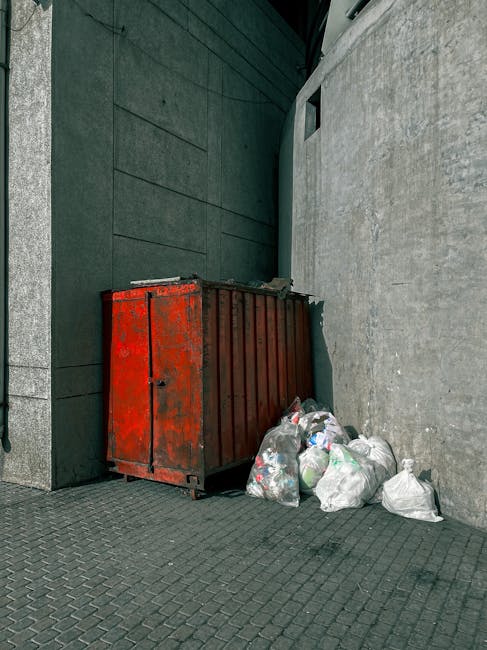
If you live in Croham Hurst or nearby Sanderstead, rubbish can pile up faster than you expect. One weekend it is a broken wardrobe, a few bags from the loft, and an old fridge in the garage; the next, the hallway feels narrower and the whole house starts to look more cluttered than it should. Rubbish removal for Croham Hurst and Sanderstead homes is really about getting that space back quickly, safely, and without turning your week into a drawn-out project.
This guide explains how the process works, what to watch out for, when it makes sense to book help, and how to choose the right approach for your home. You will also find a checklist, a practical comparison table, and a few real-world examples that make the whole thing a bit more down-to-earth. No fluff. Just the useful bits.
Why Rubbish removal for Croham Hurst and Sanderstead homes Matters
Most homes do not become cluttered in one dramatic moment. It happens in layers. A spare chair goes in the corner. Packaging stays in the porch. The loft fills up with old decorations and boxes that seemed useful at the time. Then suddenly, the house is full of things you keep meaning to deal with. That is where a proper rubbish removal service earns its keep.
In Croham Hurst and Sanderstead, many homes have the same mix of day-to-day household waste, furniture to be replaced, and awkward items that are too bulky to squeeze into ordinary collections. Add in narrow driveways, limited parking on busy streets, and the simple fact that nobody wants bags sitting outside for days, and you can see why fast, tidy removal matters.
It also matters for peace of mind. A clean home is easier to live in, easier to clean, and less stressful when you are trying to sell, rent, renovate, or just breathe a bit easier. Truth be told, the emotional effect of clearing rubbish is often bigger than people expect. You notice it the moment the room looks lighter.
For a lot of households, rubbish removal is not really about waste. It is about restoring order after a life event: a move, a clear-out, a loft project, a garden overhaul, or the aftermath of a family spring clean that somehow became a small expedition. Happens all the time.
How Rubbish removal for Croham Hurst and Sanderstead homes Works
The process is usually straightforward, but the details matter. A good household clearance begins with a clear view of what needs removing, where it is located, and whether any items need special handling. The team then loads the waste, separates reusable or recyclable material where possible, and leaves the area swept and ready to use. Simple in theory, yes. Still worth getting right.
If you are comparing services, you will often see references to general waste removal, home clearance, and more specific services such as house clearance, garage clearance, or loft clearance. Those labels are useful because they show the kind of space or item involved, but the real value is the same: safe removal without you lifting, hiring transport, or making multiple trips.
For some jobs, the obvious issue is bulky furniture. In others it is mixed household rubbish, broken storage, or appliance waste. If you have an old sofa, for example, it may be better handled as part of a sofa disposal service rather than treated as ordinary rubbish. Likewise, unwanted white goods or a tired fridge are best arranged through appliance removal so they are handled properly.
Collection timings can vary, but the workflow is usually the same:
- You identify what needs clearing.
- You request a price or booking slot.
- The team arrives, assesses access, and confirms the load.
- Items are removed safely and separated where appropriate.
- The area is left tidy and usable again.
That last point sounds basic, but it is the bit people remember. Nobody wants the rubbish gone only to be left with splinters, dust, or a trail of debris through the front path.
Key Benefits and Practical Advantages
The biggest benefit is obvious: your rubbish disappears. But there is more to it than that. A good clearance service can save time, reduce lifting and injury risk, and remove the stress of figuring out what can be disposed of where. A lot of homeowners underestimate the sheer effort involved in moving a wardrobe down stairs or carrying old drawers through a tight passage. Let's face it, some jobs are just not a one-person Sunday afternoon task.
Here are the advantages that matter most to Croham Hurst and Sanderstead households:
- Time saved: one visit is usually quicker than several trips to a tip or recycling point.
- Less physical strain: helpful for heavy, awkward, or dirty items.
- Better access at home: clear hallways, loft hatches, garages, and spare rooms.
- Cleaner presentation: useful before selling, letting, or hosting family.
- More confident sorting: recyclables, donations, and disposal can be separated sensibly.
There is also a practical money angle, even if people do not think of it that way at first. Clearing unwanted items can reveal space you already have, which reduces the chance of buying duplicates or storing things you do not need. That spare room might become a proper office instead of a makeshift storage cave. A small win, but a real one.
If sustainability matters to you, it is worth knowing that waste and unwanted items can often be handled with recycling in mind. You can read more about that on the site's recycling and sustainability approach, which is especially useful if you are trying to reduce what ends up as residual waste.
Who This Is For and When It Makes Sense
Rubbish removal is not only for major house moves or dramatic clear-outs. In fact, it often makes the most sense for smaller, everyday situations that just happen to be awkward. A busy family in Sanderstead may need help after a garage tidy-up. A Croham Hurst homeowner might need to clear a loft before insulation work. Someone else may simply be tired of living around old furniture that has been waiting, and waiting, for a decision.
This service tends to suit:
- homeowners replacing furniture or appliances
- families doing seasonal clear-outs
- people preparing a property for sale or rental
- landlords handling post-tenancy waste
- residents clearing lofts, garages, sheds, or basements
- households dealing with mixed waste after decorating or minor DIY
It also makes sense when you have items that are simply awkward. A pile of broken flat-pack furniture is more annoying than it looks. So is an old mattress, a dented fridge, or garden waste after a wet weekend. One load can become five bags, then ten. Before you know it, you are side-stepping it every time you walk past.
If the job includes more than ordinary household clutter, you may want a more specific service. For example, a room full of outgoing sofas or chairs may be better handled as furniture clearance, while a room full of mixed personal items may sit more naturally within a broader house clearance or home clearance.
Step-by-Step Guidance
If you want a smooth experience, the process starts before the van arrives. A little prep makes a surprising difference. You do not need to sort everything into colour-coded categories, thank goodness, but it helps to know roughly what is staying and what is going.
- Walk through the property. Note bulky items, bags, and anything awkward to move.
- Separate special items. Fridges, sofas, mattresses, and hazardous materials may need different handling.
- Check access. Think about stairs, narrow gates, parking, and whether items need to pass through shared areas.
- Gather a clear list or photos. This usually makes quoting easier and reduces surprises on the day.
- Choose the right service type. Garden waste, garage junk, loft clutter, and builders' waste can each need a slightly different approach.
- Confirm the booking details. Double-check timings, access notes, and any item restrictions.
- Clear a route. A quick tidy of the path to the front door can save time and awkward lifting.
One small but useful habit: make a "maybe" pile. If you are undecided about a few items, put them aside rather than mixing them into the main waste. Decision fatigue is real. By the time you are sorting old cables and damp plant pots, your brain is done for the day.
And if you are dealing with a stubborn corner of the house, it may be worth pairing the service with something more targeted such as garage clearance, garden clearance, or loft clearance. That kind of match-up keeps the whole job neat and efficient.
Expert Tips for Better Results
In our experience, the best rubbish removal jobs are the ones where the homeowner has thought through a few small things in advance. Nothing complicated. Just practical awareness. A five-minute check can prevent a twenty-minute delay, which, in the world of home clearances, is a proper win.
- Photograph large loads before booking. A few clear images usually tell the story better than a rushed phone description.
- Keep hazardous or unusual waste separate. Paint, chemicals, asbestos-containing materials, and similar items should never be bundled in casually.
- Measure doorways and stair turns. If an item barely fitted coming in, it may need careful handling coming out.
- Group similar items together. This makes loading faster and helps sorting later.
- Ask about recycling routes. Good services should be able to explain how different materials are handled.
If you are replacing furniture, compare the clearance job against the items themselves. A tired sofa, a heavy mattress, and a broken wardrobe often behave very differently when moved. For those, the site's dedicated furniture disposal service or mattress and sofa disposal page may be more relevant than a general waste option.
Also, try not to leave the last-minute decision-making until collection day. You will always find one extra bag, one mystery box, and one item that turns out to be heavier than it looked. Always.
Common Mistakes to Avoid
Rubbish removal sounds simple, so it is easy to underestimate where things go wrong. The most common mistakes are not dramatic; they are just inconvenient and, sometimes, costly.
- Mixing regular rubbish with specialist items. Appliances, rubble, and hazardous waste often need separate handling.
- Underestimating the load size. A few bags can turn into a van-full once everything is gathered in one place.
- Ignoring access issues. Tight driveways, shared entrances, or a steep path can affect the job.
- Forgetting to check what can be taken. Not everything belongs in the same pile.
- Waiting too long. Delaying a clear-out can make the job bigger and more stressful.
One surprisingly common issue is assuming all waste is the same. It is not. Builders' waste, garden cuttings, furniture, electrical appliances, and general household clutter all behave differently when it comes to handling and disposal. If your project includes renovation debris, builders' waste clearance may be the better fit.
Another mistake is forgetting that the home has to be lived in while the job is being done. Think about pets, children, neighbours, and where the van will stop. A bit of planning keeps the day calm instead of chaotic.
Tools, Resources and Recommendations
You do not need specialist equipment for a standard household clearance, but a few tools and habits make life easier. Think of this as the practical kit list for getting organised before the team arrives.
- Phone camera: use it to take quick photos of rooms and bulky items.
- Marker pen and tape: useful for labelling what stays and what goes.
- Gloves: handy if you are moving a few light items yourself beforehand.
- Boxes or sacks: keep loose bits together so they do not wander around the house.
- List of special items: especially appliances, mattresses, and anything fragile or hazardous.
If you want to compare service details before booking, these pages are the most useful starting points: pricing and quotes, book online, and about the company. If you are the kind of person who likes to know how a service treats payments and data before committing, the relevant trust pages are also there, including payment and security and health and safety policy.
That sort of background detail is not glamorous, but it helps. You want a service that feels orderly before the van even turns up.
Law, Compliance, Standards, or Best Practice
For homeowners, the main thing to understand is that rubbish should be handled responsibly and transferred to a suitable destination. In the UK, household waste, bulky items, and special materials need to be dealt with in line with accepted waste-management practice. You do not need to become a legal expert to book a clearance, but it is sensible to ask how waste is sorted, carried, and disposed of.
Best practice usually means:
- items are handled safely and lifted with care
- reusable or recyclable items are separated where practical
- hazardous material is not mixed into normal waste
- property access is managed without causing avoidable damage
- the service is insured and clear about responsibility
If your rubbish includes paint, solvents, chemicals, or other potentially hazardous material, do not assume it can go with everything else. Use a service that specifically explains how such waste is handled, such as hazardous waste disposal. Better to ask a slightly awkward question upfront than deal with a worse problem later.
For many households, the real compliance question is simple: is this being done properly and safely? That is the one that matters.
Options, Methods, or Comparison Table
Most Croham Hurst and Sanderstead homes will choose between a few common methods: take it yourself, hire a skip, or book a professional clearance. Each has its place. The right one depends on the quantity of waste, the type of items, access, and how much time you want to spend doing the heavy lifting.
| Method | Best for | Pros | Watch-outs |
|---|---|---|---|
| DIY trips | Small loads, a few bags, light items | Simple for very minor waste; flexible timing | Time-consuming, multiple trips, lifting strain, parking stress |
| Skip hire | Projects with steady waste over several days | Good for ongoing DIY or renovation work | Needs space, permits may be relevant, you do the loading |
| Professional rubbish removal | Bulky, mixed, awkward, or fast-turnaround clearances | Quick, convenient, less physical work, often best for mixed loads | Needs clear communication about access and item types |
If you are unsure whether a skip is right for your situation, it can help to read the guidance on what can go in a skip. That gives you a useful benchmark, even if you later choose a collection service instead.
For most busy households, professional removal is the easiest route. For longer projects with a predictable waste stream, a skip can be practical. And for a small handful of bags, honestly, a shorter plan may be enough. There is no single right answer every time.
Case Study or Real-World Example
Picture a typical Sanderstead home after a long-overdue tidy-up. The loft has old cardboard boxes, a broken chest of drawers, a few bags of winter clothes, and a dusty table lamp that nobody has used in years. The garage is a different story: a cracked garden chair, two flat-pack panels, some old paint tins, and a broken freezer gathering dust in the corner. Not dramatic. Just enough to be irritating.
The homeowner could spend two or three weekends sorting, loading, and making repeated journeys. Or they could arrange one organised clearance, group the items by type, and deal with the lot in a single visit. The difference is not just speed. It is the sense that the house is back under control by lunchtime, instead of becoming a long-running side project that nobody wants to talk about.
What tends to surprise people is how much better the space feels once the clutter leaves. A loft hatch opens properly. A garage can fit a bike again. The hallway looks wider. It sounds small, but it changes how the home works day to day. You feel it when you walk past and do not need to sidestep a pile of stuff.
If the items are mostly furniture, a focused route such as furniture clearance or furniture disposal can make the process even smoother. If they are mostly household contents, a broader home clearance is often the cleaner fit.
Practical Checklist
Use this before booking or on the day of collection. It keeps the job tidy and avoids the classic "oh, I forgot that" moment.
- Walk through every room and identify what is going.
- Separate ordinary rubbish from appliances, furniture, and special waste.
- Take photos of bulky items if you are requesting a quote.
- Check parking and access near the property.
- Move fragile items and valuables out of the way.
- Clear a path to the front door or collection point.
- Confirm any item restrictions before the appointment.
- Ask how recycling or reuse is handled where relevant.
- Keep pets and children away from the work area.
- Do a final sweep of cupboards, loft corners, and under stairs before the team leaves.
That last sweep is worth it. People always find one more thing. Always.
Get a free quote today and see how much you can save.
Conclusion
Rubbish removal for Croham Hurst and Sanderstead homes is really about making home life easier. Whether you are clearing a loft, replacing furniture, tackling the garage, or simply dealing with too many bags and boxes, a good service should save time, reduce hassle, and leave the place feeling properly reset.
The best results usually come from a small amount of planning: know what is going, separate special items, and choose the right type of clearance for the job. After that, the hard part is done. The space comes back, and so does a bit of calm. A lovely feeling, to be fair.
If your home has been carrying clutter for too long, this is one of those jobs that quietly improves everything around it. One room at a time. One clear-out at a time.
Frequently Asked Questions
What items are usually removed in household rubbish clearance?
Common items include bags of general rubbish, old furniture, boxes, broken household goods, loft clutter, garage junk, and some bulky items such as mattresses or appliances. If something is unusual or hazardous, it is better to check first rather than assume it can go in with everything else.
Is rubbish removal better than hiring a skip?
It depends on the job. If you want help with lifting, loading, and fast removal, a clearance service is often the easier choice. If you are doing a slow DIY project and can fill waste gradually, a skip may suit you better. For many homes, especially with mixed bulky items, professional removal feels simpler.
How do I prepare my home before collection day?
Group the items you want removed, clear a path to them, and make sure parking or access is workable. If possible, take a few photos in advance. That saves time and helps avoid confusion when the team arrives.
Can old sofas and mattresses be taken away?
Yes, these are commonly collected, but they are usually handled through dedicated disposal routes rather than treated as ordinary rubbish. Services such as mattress and sofa disposal are useful because they match the item to the right handling method.
What should I do with fridges, freezers, and other appliances?
Appliances are best handled through appliance-specific removal, especially if they contain refrigerant or other parts that need careful treatment. A fridge should not just be left out with mixed waste and forgotten about.
Is garden waste included in rubbish removal?
It often can be, especially for pruning waste, hedge cuttings, soil in moderate amounts, and old garden items. For larger outdoor clearances, a dedicated garden clearance approach may be the more efficient option.
Do I need to be at home during the removal?
Usually yes, at least at the start, so you can confirm what is being taken and answer access questions. Some jobs are straightforward enough that once everything is agreed, the rest is quick. It is still smart to be available if possible.
How do I know if I need house clearance or home clearance?
Both are similar, but the best choice depends on the scope. If you are clearing the whole property or a major part of it, house clearance is a good fit. If you are dealing with a smaller but still substantial job, home clearance may be the more natural fit.
Can rubbish removal help before a house sale or rental handover?
Yes. Clearing clutter before photos, viewings, or key handover is one of the most common reasons people book. Rooms look bigger, the property feels better cared for, and the job gets a lot less stressful at the end.
What happens to the waste after it is collected?
That depends on the type of waste and the service used, but the general aim is to sort it responsibly and send recyclable or reusable materials on the right route where possible. Good practice is to keep mixed rubbish out of inappropriate streams and avoid unnecessary landfill where alternatives exist.
Are there any items that cannot be mixed with general household rubbish?
Yes. Hazardous materials, certain chemicals, and some specialist waste should be kept separate. If in doubt, ask before loading it into the pile. A quick question now is much easier than a problem later.
How do I choose the right service for a mixed clear-out?
Think about the main type of waste first: furniture, appliances, general household clutter, loft contents, or garden waste. Then look for the service that best matches that load. If you are dealing with several types at once, a broader waste removal or home clearance option is often the simplest answer.